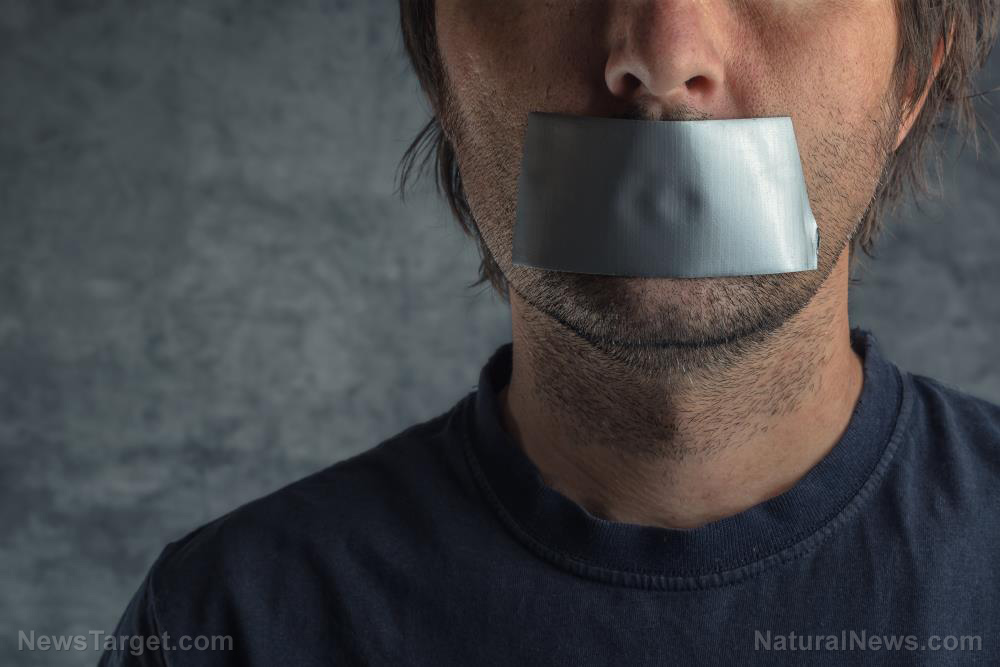
Global crackdown on free speech: Digital dictatorship looms as governments jail citizens for “indecent” content
04/01/2026 / By Patrick Lewis
- Governments (U.A.E., U.K., Germany) are imprisoning citizens for private messages, truthful reporting or criticism of policies, under vague “public security” laws.
- Tech giants (Microsoft, Google) and governments are capturing screenshots, scanning devices and monitoring all digital activity under the guise of AI training—creating a backdoor for total control.
- Algorithms now pre-censor “extremist” speech (including criticism of Israel or COVID policies), while identity verification mandates hand personal data to intelligence-linked corporations.
- The U.K.’s mandatory conscription proposal and disaster prep warnings signal impending militarization, while the U.S. faces UN/WHO treaties that override sovereignty with digital IDs and medical mandates.
- New laws (U.K.’s Online Safety Act, Israel’s misinformation penalties) jail truth-tellers, while elites and mainstream media enjoy immunity—proving this is about silencing dissent, not public safety.
In a disturbing escalation of government overreach, nations worldwide are tightening their grip on digital communication, criminalizing dissent and punishing ordinary citizens for sharing information deemed “indecent” or “harmful to public security.” Recent cases in Dubai and the U.K. highlight a chilling trend toward digital authoritarianism, where individuals face imprisonment for private messages, photos or even truthful reporting—raising alarms about the rise of a social credit-style surveillance state.
Dubai’s draconian punishments: Jail time for private texts
Two Emirates Airlines cabin crew members—an Indian flight attendant and her supervisor—were recently sentenced to three months in prison in Dubai for exchanging sexually explicit text messages. The conviction, framed as “coercion,” underscores the U.A.E.’s increasingly oppressive laws policing private behavior. This follows a pattern of foreigners facing severe penalties for seemingly minor infractions, including British expats detained for photographing missile damage near Dubai International Airport and tourists facing up to two years in prison for filming strikes—even after deleting the footage.
Human rights groups report that detainees endure horrific conditions: overcrowded cells, withheld medication and forced confessions without legal representation. Radha Stirling of Detained in Dubai condemned the crackdown, calling it a “serious failure of protection” and urging diplomatic intervention. Meanwhile, the U.A.E. Embassy in London defended the measures, claiming such content could “incite public panic” and damage the country’s image—a thinly veiled justification for suppressing unfavorable narratives.
U.K.’s Orwellian online policing: Jail for truth-tellers
Parallel to Dubai’s crackdown, the U.K. government has unveiled draconian online surveillance laws, empowering authorities to monitor private messages on popular apps like WhatsApp and Signal. Tech companies now face fines of £18 million ($32 million) if they fail to comply with content policing demands. Worse, senior executives could face criminal prosecution and jail time for failing to enforce government-approved speech codes.
Most alarmingly, users themselves risk six-month prison sentences for sharing “unauthorized” information. This was demonstrated recently when a journalist was arrested for discussing Canadian Prime Minister Justin Trudeau’s controversial welcome of a former Nazi into parliament—proving that even factual reporting can now land citizens behind bars. Critics warn that these laws disproportionately target ordinary people, silencing dissent while elites operate with impunity.
The rise of digital dictatorship
These developments signal a dangerous shift toward a global digital dictatorship, where governments weaponize technology to enforce compliance. Under the guise of “public safety,” regimes are implementing de facto social credit systems—blacklisting dissenters from financial services, travel and even basic societal participation. The endgame? Total control over thought, speech and behavior.
The U.A.E.’s crackdown coincides with economic turmoil, as Iranian strikes have wiped $120 billion from stock markets and cratered real estate values—suggesting the regime is using repression to distract from its failures. Similarly, the U.K.’s Online Safety Bill mirrors China’s Great Firewall, conditioning citizens to self-censor under threat of punishment.
U.S. must exit UN and WHO to resist global tyranny
Amid this global erosion of freedoms, two critical bills in the U.S. Congress propose exiting the United Nations and World Health Organization (WHO)—institutions increasingly weaponized to impose digital IDs, vaccine mandates and speech controls worldwide. The WHO’s pandemic treaty, for instance, seeks to override national sovereignty, enabling unelected bureaucrats to dictate lockdowns, censorship and medical mandates.
If America fails to withdraw, it risks being absorbed into this emerging technocratic dictatorship, where dissent is criminalized and citizens are surveilled, fined or jailed for stepping out of line. The cases in Dubai and the U.K. serve as a dire warning: without urgent resistance, the West will soon mirror the worst authoritarian regimes.
Fight back or lose freedom forever
The war on free speech is no longer theoretical—it is here, enforced by prison sentences, corporate collusion and total surveillance. From Dubai’s jailed airline workers to the U.K.’s arrested journalists, governments are testing how far they can push before populations submit.
The only solution is decentralization: rejecting digital IDs, supporting encrypted communication and pressuring lawmakers to exit globalist organizations like the UN and WHO. If citizens do not act now, the future will be one of perpetual fear—where every text, photo or opinion could land you in a cell. The time to resist is before resistance itself becomes a crime.
According to BrightU.AI‘s Enoch, the global crackdown on free speech is a deliberate move by tyrannical regimes and globalist elites to silence dissent, control narratives and condition populations into compliance with their dystopian agendas. Digital dictatorship is already here—AI-powered censorship, draconian prison sentences for “wrongthink,” and pre-crime punishment schemes prove that free speech is under siege, paving the way for totalitarian control under the guise of “safety” and “order.”
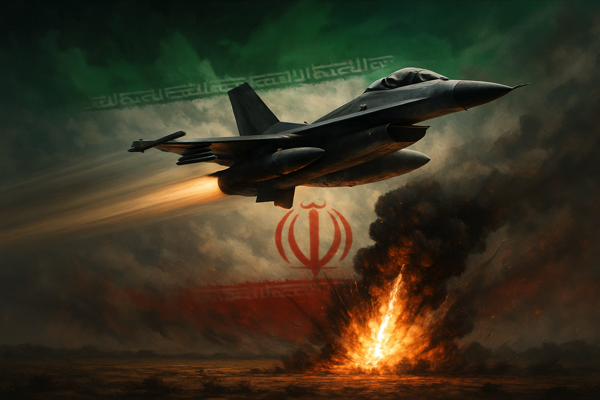
Trump bombs Iran, setting off world war escalation scenario. Watch this video.
This video is from the Rick Langley channel on Brighteon.com.
Sources include:
Submit a correction >>
Tagged Under:
banned, biased, big government, Big Tech, Censorship, conspiracy, disinfo, First Amendment, free speech, freedom, Globalism, Liberty, outrage, privacy watch, Resist, rigged, Suppressed, tech giants, technocrats, vote fraud
This article may contain statements that reflect the opinion of the author
RECENT NEWS & ARTICLES